
Albion Heights Green Community Project
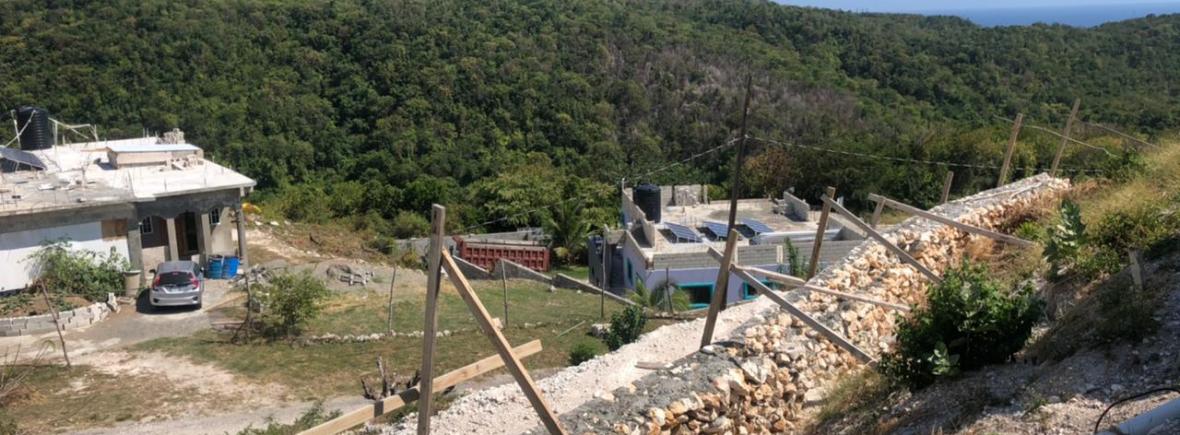
Albion Heights in St Thomas is a rural community that is developing and becoming more populated over time. Despite this, the area is still without electricity supply from the Jamaica Public Service (JPS), has limited water supply from the National Water Commission (NWC) and has only recently started receiving waste management services from the National Solid Waste Management Authority (NSWMA). These limited resources significantly impact the vulnerable groups within the community, and also impacts the ability of the community to develop further.
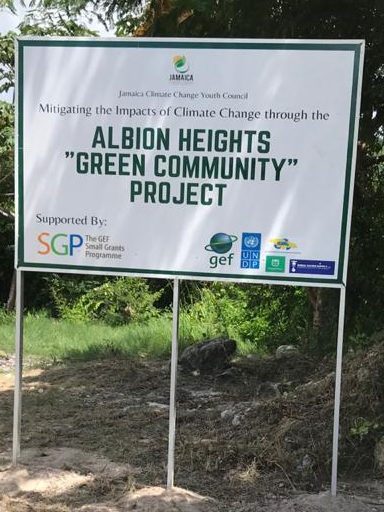
The Jamaica Climate Change Youth Council was awarded a grant by the Global Environment Facility (GEF) Small Grants Programme to undertake a project entitled: “Mitigating the Impacts of Climate Change through the Albion Heights Green Community Project”.
Albion Heights provides a unique opportunity to create a true sustainable model community from the ground up, as it is in the infancy stage of development. This project will foster the development of a local culture that promotes environmental protection and sustainable living while simultaneously boosting their community resilience, improving their quality of life, as well as explore sustainable entrepreneurial or career options.
Project Objectives
The primary objective of the project was to create and monitor a sustainable community and will include the installation of renewable energy, rainwater harvesting and community recycling systems in 10 households and the wider community:
- Installation of at least 10 solar powered street lamps and solar powered home systems
- Installation of rainwater harvesting systems in selected households
- Establishment of income-generating community recycling programme
This was accompanied by extensive community education and training exercises, which will allow residents to monitor their energy and water use during the period, and costs during implementation and throughout the long term.
Seaview Gardens Recycling Project
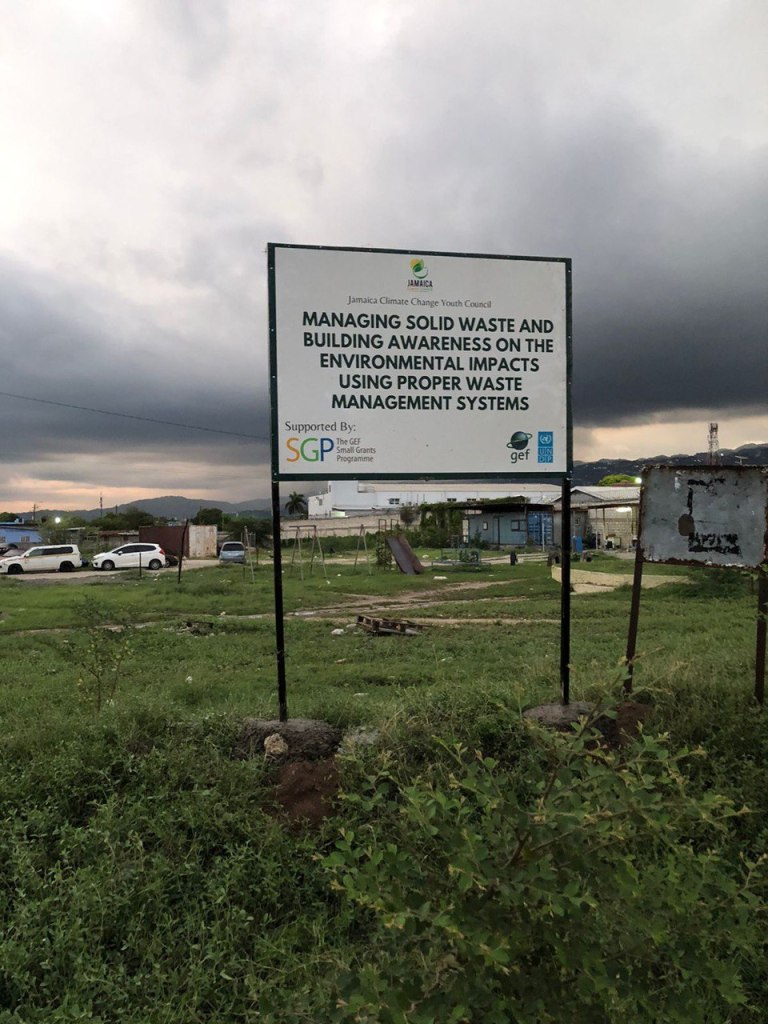
The primary objective of this project was to improve the solid waste management system in the community of Seaview Gardens to reduce greenhouse gases produced from the improper disposal of waste while creating income-generating opportunities for residents.
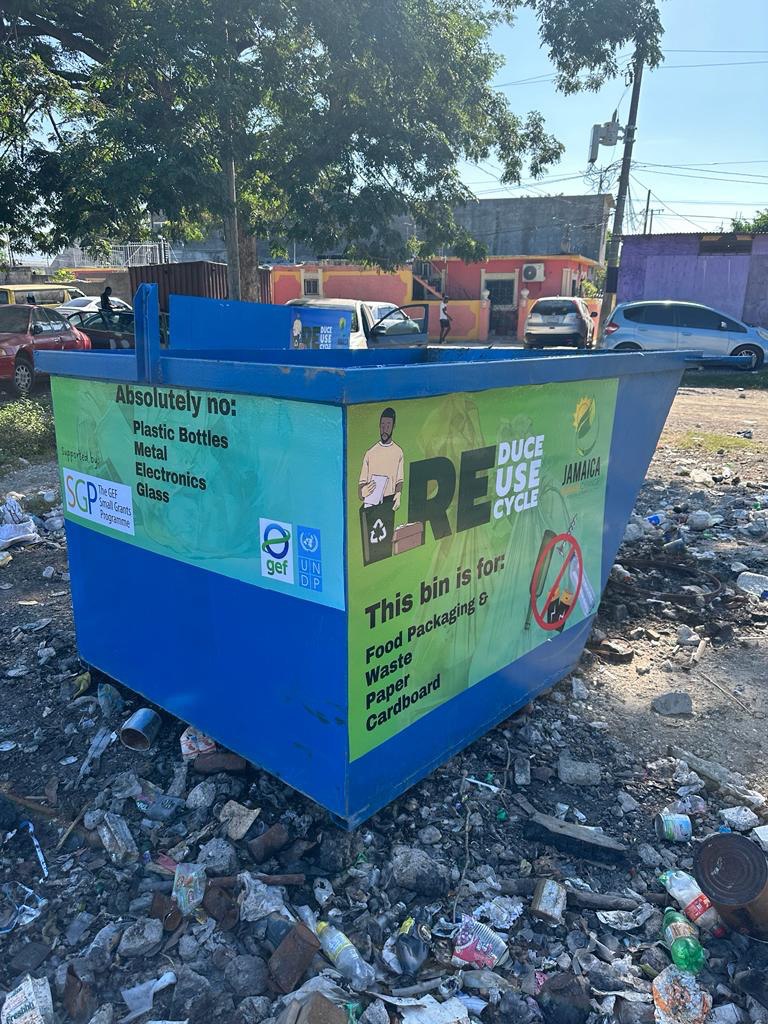
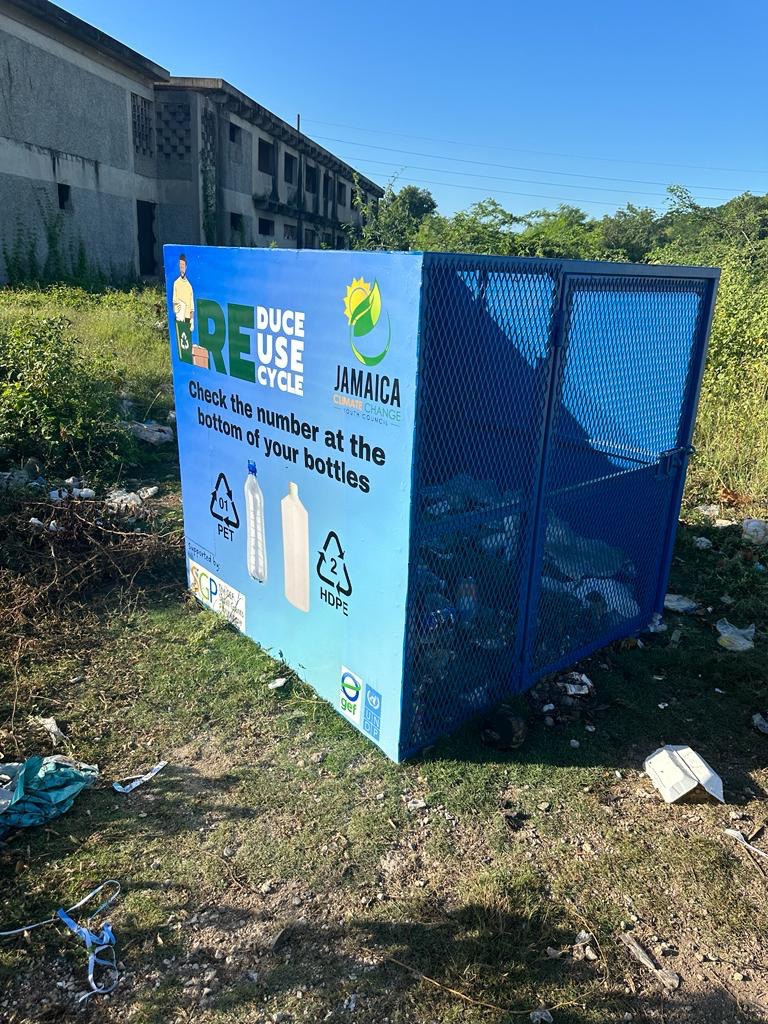
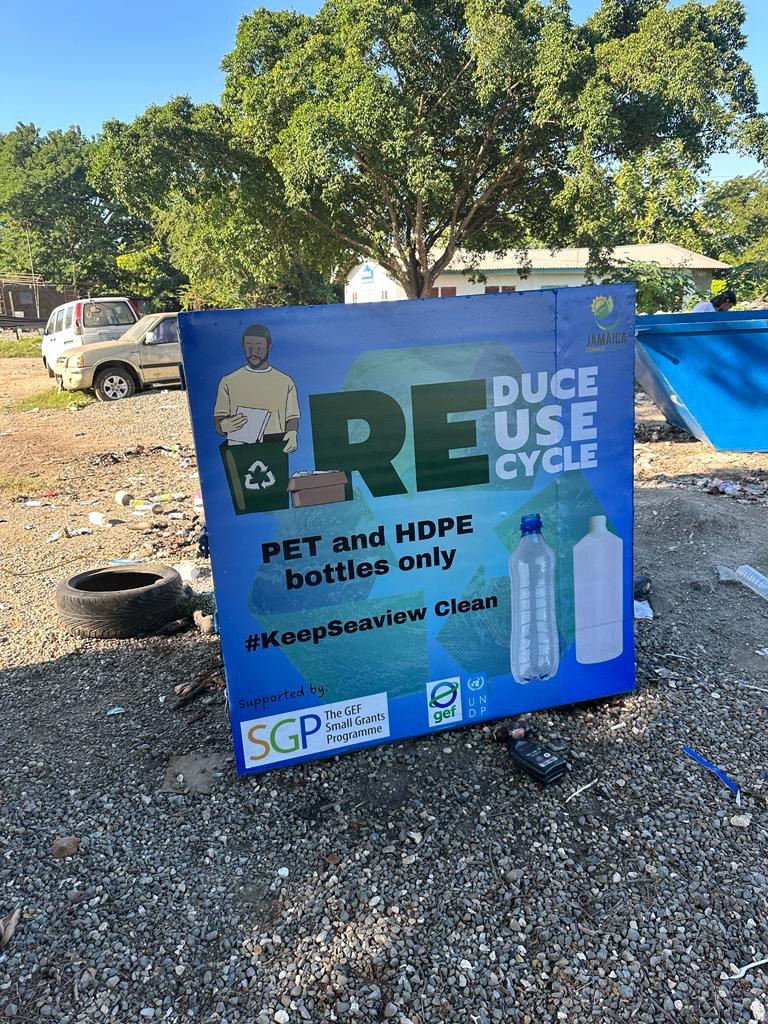
The 3 project outcomes were:
- Plastic Stations Established in Strategic Locations
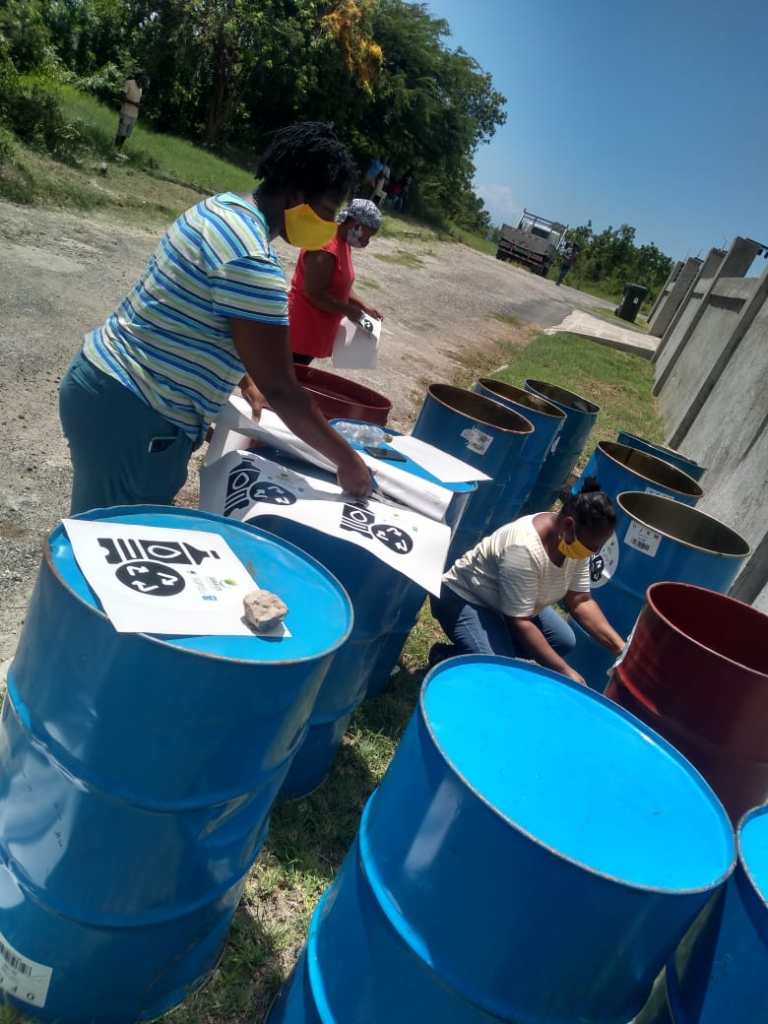
- Six (6) self-sustaining plastic recycling stations were set up to be monitored by community members to ensure that only recyclable plastics are discarded here. Four (4) additional skips were provided to collect organic non-recyclable waste. By directly involving the community members in the monitoring of the programme, they will be more invested in the maintenance and management of the project.
- Partnership with recycling Companies Established
- The project team and the CDC received commitment from the Parish Council to have the National Solid Waste Management Authority (NSWMA) regularize pickup from the organic waste/garbage skips. This is a significant achievement as garbage collection in the community is not always done on a consistent basis.
- Additionally, a formal agreement was established between the community and the RPJ for the collection of plastic waste from the skips in the Seaview Gardens community.
- Increased Awareness and Behavioural Change
- The project built the physical capacity of the community to practice waste separation and recycling by providing skips for both garbage disposal and plastic recycling.
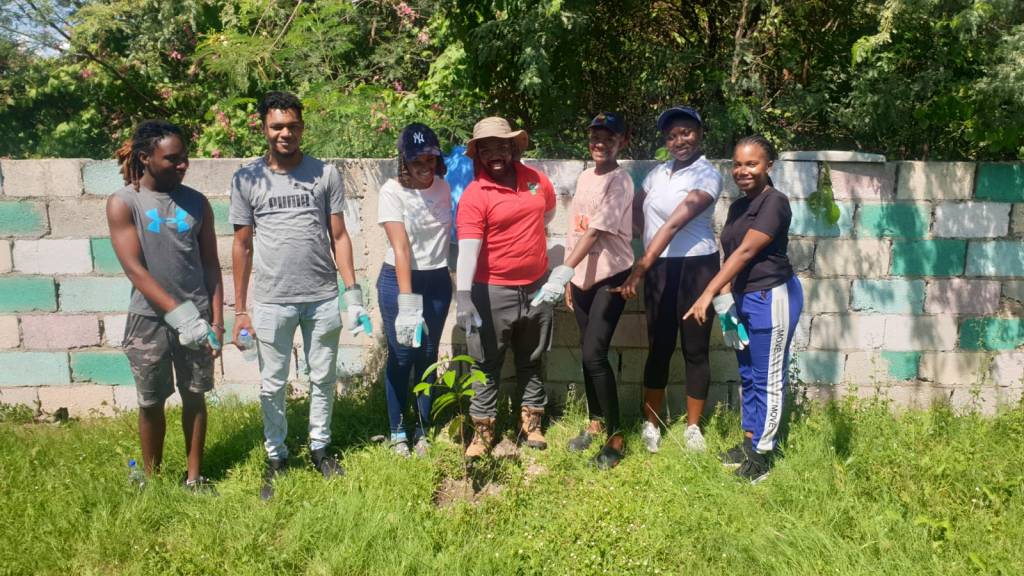
- Community members were trained in waste separation and management, climate change awareness, plastic recycling and alternative to plastic products. Through these workshops, they were exposed to knowledge that they would not typically get from the school curriculum or existing public awareness campaigns. This additional capacity allows them to make individual and community choices to practise waste separation and recycling within their own spaces. Additional training in plastic recycling (e.g. hands on exposure to recycling processes) would have improved the group’s delivery of the project and will be considered for future interventions.
- The use of recycled tyres also presented a new solution that would both reuse discarded materials, but also contribute to community beautification.
- The project also built relationships between the community and the Recycling Partners of Jamaica and the NSWMA. These strengthened relationships improved the community’s access to waste management and collection services, and established a clear point of contact with the municipal waste authorities. This will build the capacity of the community to have consistent and regular waste collection going forward.
 OurFootprintJA